
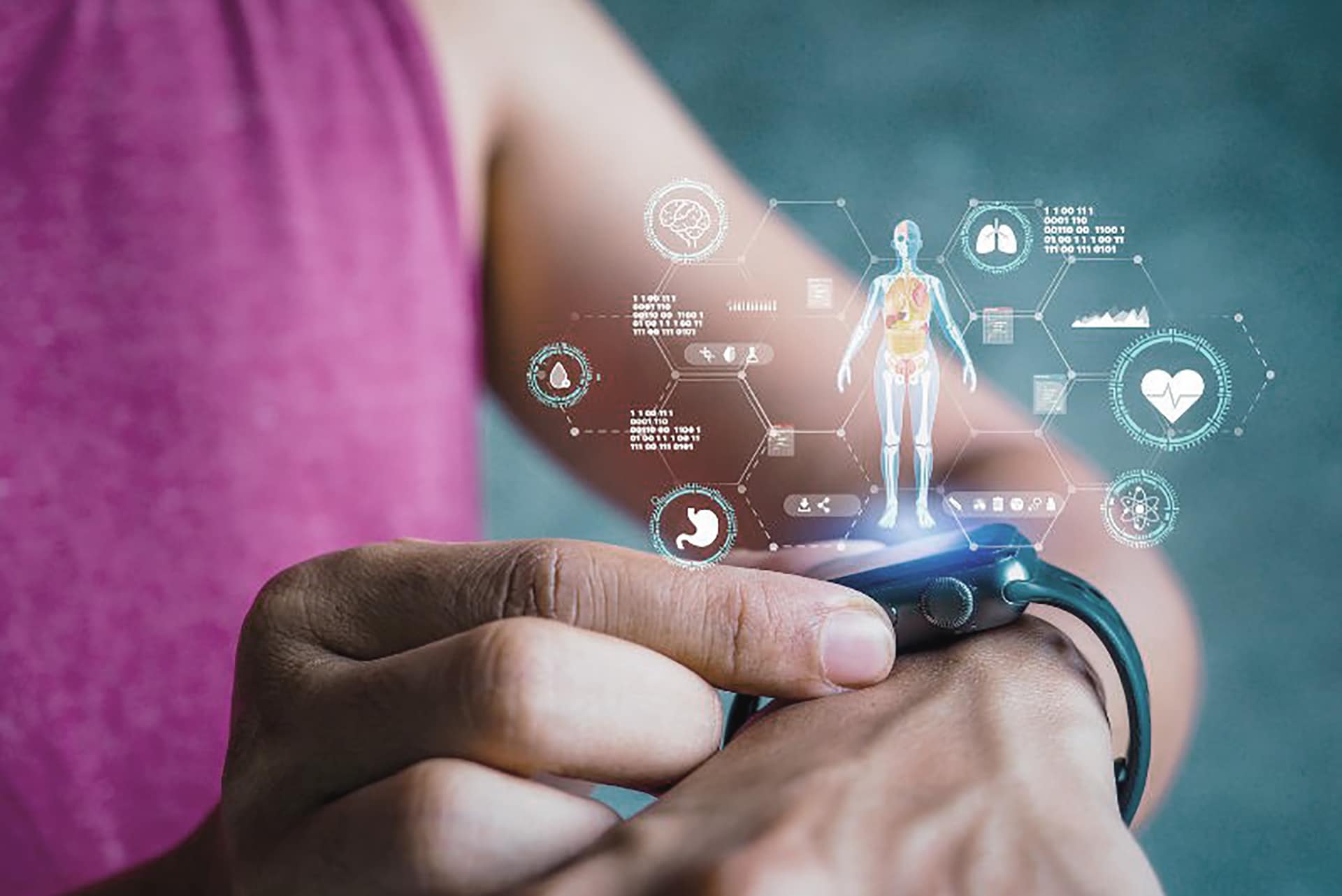
“Hybrid Recovery”: Why Your Wearable Needs a Clinical Partner
Key Takeaways: How to Optimize Your Recovery
- Identify the Gap: Wearables like Apple Watch and Oura Ring track symptoms (low HRV, poor sleep), but clinical intervention fixes the root cause.
- Shockwave Therapy: Ideal for chronic tendon stiffness or localized recovery “stalls.”
- Chiropractic: Essential for correcting asymmetries and improving nervous system efficiency.
- Nervous System Reset: Acupuncture and Massage shift you into “Rest and Digest” mode to boost HRV scores.
- Local Access: Personalized hybrid recovery plans are available in the Glenwood neighborhood of west Edmonton.
In 2026, the landscape of personal health has changed. Edmontonians are no longer just guessing how they feel, they are measuring it. Whether you’re hitting your step goals at Jasper Place or tracking your sleep in the quiet streets of Glenwood, your tech is constantly talking to you. But a significant problem has surfaced: data without clinical action is just a collection of numbers. This is the “Recovery Gap,” and Hybrid Recovery is the solution for the modern, proactive patient.
The Science of the Recovery Gap
Most wearable technology is excellent at identifying symptoms of a problem, such as high stress markers or poor sleep quality. However, according to research on Wearable Health Technology, these devices act as “smoke detectors,” not “fire extinguishers.” They can tell you that a fire is starting, but they cannot put it out.
When your data shows a downward trend, it often indicates “Stagnant Recovery.” This happens when micro-trauma in the muscles or chronic tension in the nervous system reaches a plateau. No amount of “resting” will fix a joint that is mechanically misaligned or a tendon that has developed scar tissue. This is where the transition from home tracking to clinical treatment becomes essential for long-term health and longevity.
The Hybrid Toolkit: Turning Data into Results
At Glenwood Sport & Spine, we use your digital insights to apply the right treatment at the exact moment your body needs it. Here is how we bridge the gap:
1. Shockwave Therapy: The Deep Tissue Reset
If your Garmin or Whoop shows a persistent decrease in range of motion or your “Power” output during workouts is dropping, Shockwave Therapy is the clinical answer. Shockwave uses acoustic pressure waves to penetrate deep into the tissue, creating “micro-bubbles” that collapse and trigger a massive healing response.
This process, known as cavitation, is a game changer for dealing with stubborn injuries like plantar fasciitis or rotator cuff tendonitis. While a foam roller only compresses tissue, Shockwave regenerates it. If your wearable data shows you are “stuck,” this is the tool to get you moving again.
2. Chiropractic Care: Hardwiring Proper Mechanics
Have you noticed a “Gait Asymmetry” alert on your phone while walking near West Edmonton Mall? This often points to a pelvic tilt or spinal fixation. Chiropractic Care ensures your hardware – your spine and joints – is aligned for the high efficiency scores your tracker demands.
Proper alignment reduces the “mechanical tax” on your body. When your spine is aligned, your muscles don’t have to work twice as hard to keep you upright. This efficiency shows up in your data as lower exertion levels for the same amount of work, allowing you to go further and faster.
3. Acupuncture & Massage: The Nervous System Update
Low HRV (Heart Rate Variability) scores are a hallmark of a body stuck in “Fight or Flight” mode. If your sleep data shows you are spending too much time in light sleep and not enough in REM, your nervous system needs a manual override. Acupuncture and Massage trigger the “Rest and Digest” state.
By targeting specific pressure points and muscle chains, we can lower cortisol levels and stimulate the vagus nerve. Understanding the Autonomic Recovery is key. When we shift your system into a parasympathetic state, your HRV scores will typically rise within 24 to 48 hours.
4. Custom Orthotics: Data-Driven Foundations
If your watch shows uneven ground contact time or high impact force while you are out and about, the issue is likely your foundation. Custom Orthotics are not just “insoles”; they are bio-mechanical corrections based on how you move. By stabilizing your feet, we prevent the “up-chain” pain that affects knees, hips, and the lower back.
Biohacking in Glenwood: The Future of Edmonton Health
We believe that the future of healthcare is local and personalized. You don’t need to travel across the city to find elite-level recovery tech. Our mission is to provide the Glenwood community with the same tools used by professional athletes to stay in the game. By combining your daily data with our clinical expertise, we create a feedback loop that ensures you are always improving, not just maintaining.
Glenwood Recovery FAQ
Why is my HRV always low even when I rest?
Rest isn’t always enough if your nervous system is over-stimulated. Clinical treatments like acupuncture can help “reset” the system to allow for actual recovery.
Where is the best place for Hybrid Recovery in West Edmonton?
Our clinic is located in the Glenwood neighborhood, making us the primary destination for data-driven wellness for residents in Jasper Place and the West End.
Book your appointment today and let us help you move comfortably all winter long.