
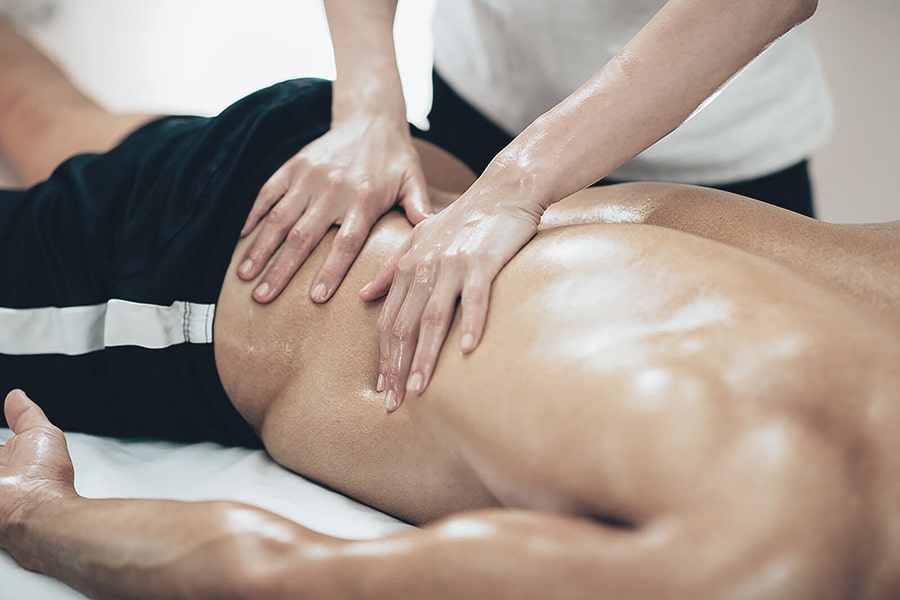
Building Resilience: How Massage Therapy Prevents Sports Injuries
Key Takeaways for Athletic Resilience
-
It reduces muscle stiffness and spasms. By manually stretching the muscle fibers and the surrounding fascia, massage ensures that your tissues remain pliable.
-
It improves posture and alignment. Many sports injuries are the result of compensatory movements. If your hip flexors are tight, your lower back may overcompensate, leading to secondary pain.
-
It enhances range of motion. Whether you are a runner needing ankle mobility or a weightlifter requiring shoulder health, regular maintenance ensures your joints can move through their full, intended range.
The proactive side of sports medicine is often overlooked. Most active individuals wait for a sharp pull or a nagging ache before seeking help. However, the most successful athletes do not wait for an injury to occur. They focus on pre-habilitation. This strategy involves addressing muscular imbalances and small physical limitations before they escalate. Massage therapy is a cornerstone of this preventative mindset. By integrating regular soft tissue work into your training, you can maintain your body and stay active longer.
Understanding Pre-habilitation
Pre-habilitation is not a medical diagnosis but a proactive approach to health. It focuses on the idea that an ounce of prevention is worth a pound of cure. Injuries often stem from repetitive stress, muscular imbalances, or poor recovery. Massage therapy manages these factors by reducing muscle tension, improving local circulation, and enhancing overall flexibility. This triggers the natural pain relieving mechanisms of the body by increasing endorphin levels and lowering cortisol.
Our Approach to Preventative Massage
At our clinic, we provide professional massage services that target potential issues at their source.
Deep Tissue Massage: This focuses on the deep layers of muscle and connective tissue to release chronic tension that could eventually lead to a strain.
Trigger Point Therapy: This targets specific points in the muscles that may be referring pain or limiting your movement in other parts of the body.
Sports Massage: This is tailored specifically to your activity, focusing on the muscle groups you use most frequently during training.
Our registered massage therapists personalize each session based on your specific training goals and physical needs, ensuring optimal effectiveness.
Integrative Care at the Clinic
We take a holistic approach to your health. Pre-hab is most effective when it is part of a broader wellness plan. In addition to massage, we offer other complementary therapies that enhance your resilience:
Physiotherapy: This is an excellent pairing with massage for those looking to build long term strength and correct biomechanical issues. You can explore our physiotherapy services to see how we help patients build resilience.
Chiropractic: Regular adjustments help realign the spine and ensure that the nervous system is communicating clearly with the rest of the body. To see how joint mobility supports your muscle health, visit our page on chiropractic care.
Evidence Based Support
Scientific research continues to support the role of massage in sports medicine. According to recent reviews hosted by the National Institute of Health, bi-weekly deep tissue massage has been shown to significantly improve muscle recovery and flexibility in athletes. Similarly, Healthline notes that massage is a vital tool for athletic performance by reducing stress and fatigue while improving a person’s overall range of motion.
What to Expect During Your Session
Your first session will begin with a consultation to assess your current training volume and identify any areas of concern. Depending on your needs, your therapist will use a combination of techniques to target problem areas and promote recovery. Most clients notice an improvement in their movement quality and a reduction in general tightness within just a few sessions.
Frequently Asked Questions
What is the difference between regular massage and pre-hab massage?
While a regular massage often focuses on general relaxation, a pre-hab massage is goal oriented and proactive. It specifically targets the muscle groups and connective tissues you use most in your sport or daily activities.
How often should I get a massage for injury prevention?
The frequency depends on your activity level and training intensity. For most people, a biweekly or monthly session is ideal for maintenance. However, if you are training for a specific event like a marathon or a heavy lifting competition, you may benefit from more frequent visits to manage the increased physical demand on your body.
Will a pre-hab massage be painful?
While some deep tissue work or trigger point therapy may involve moments of intense pressure or productive discomfort, it should never be agonizing. Our therapists prioritize communication and will adjust the pressure to your comfort level while still ensuring the treatment is effective.
Book your Sports Massage today and stay ahead of the game.