
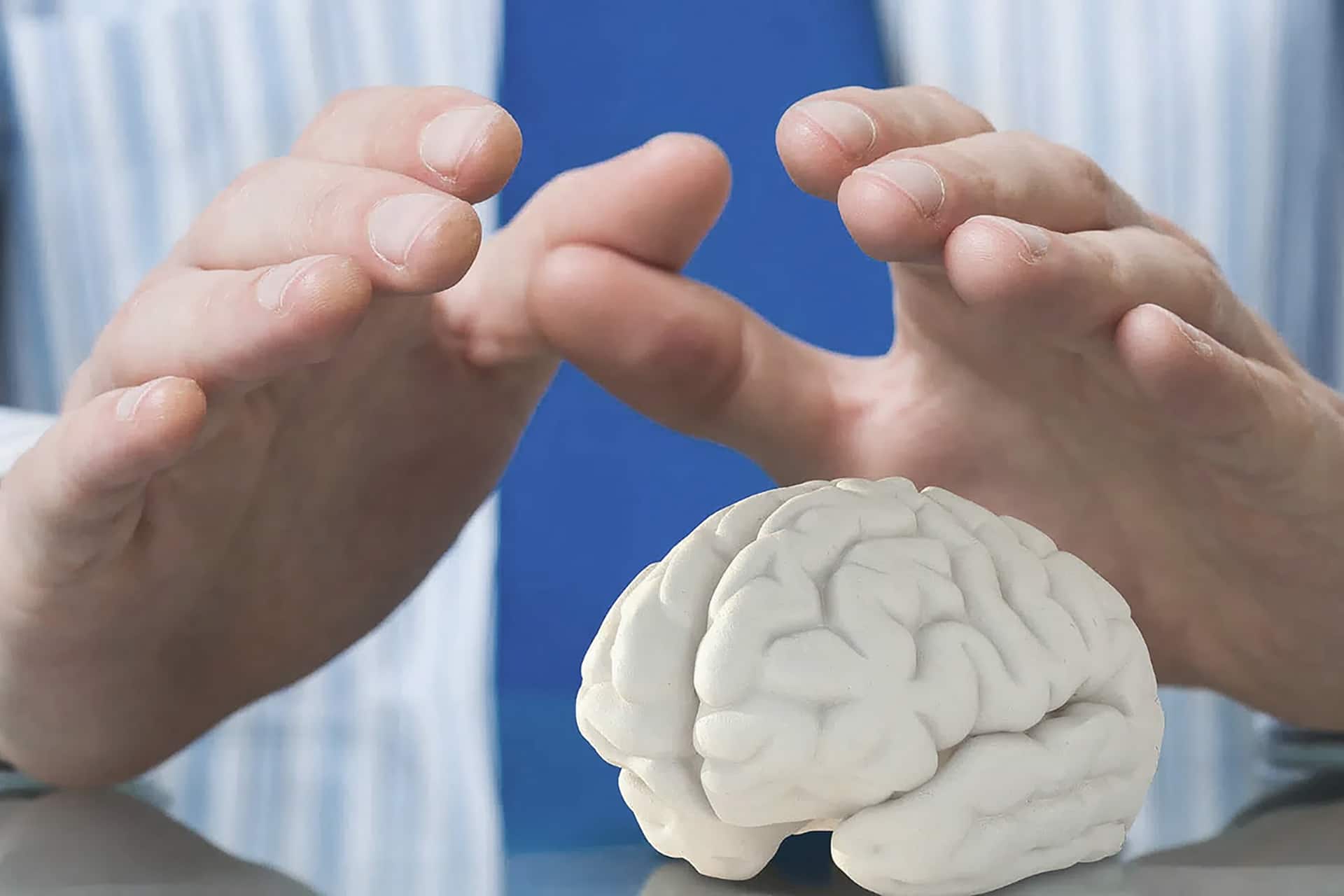
How Physiotherapy Supports Concussion Recovery
- Active concussion management modulates the nervous system by restoring normal blood flow and enhancing the brain’s natural healing defenses.
- We focus on reducing the cervical spine inflammation and neck strain that often spikes following a sudden head or body impact.
- By targeting specific neurological and vestibular pathways, specialized therapy improves balance, tracking, and spatial awareness to clear brain fog.
- Post-injury exhaustion is addressed by prescribing controlled aerobic movement to stabilize energy production and improve restorative sleep.
The outdated advice for recovering from a concussion was simple: go sit in a dark room, avoid screens, and wait until all your symptoms vanish. This approach, often called cocooning, is no longer supported by current medical evidence. Research shows that prolonged isolation and strict rest can actually delay healing and worsen symptoms like anxiety, depression, and physical fatigue.
Modern concussion management focuses on active rehabilitation. By utilizing a structured, guided approach to physical and cognitive recovery, it is possible to support the brain’s natural healing process and help individuals safely return to work, sports, and daily life.
Understanding the Impact of a Concussion
A concussion is a mild traumatic brain injury typically caused by a direct blow to the head, neck, or body that transmits force to the brain. This force causes temporary changes in how brain cells function, disrupting the autonomic nervous system and altering normal blood flow to the brain.
Symptoms can manifest across several areas, including physical, cognitive, and emotional well-being. Common signs include headaches, dizziness, brain fog, light sensitivity, and sleep disturbances. Because every brain injury is unique, a comprehensive assessment is necessary to identify the specific subsystems that require targeted therapy. Waiting for these symptoms to disappear on their own often prolongs discomfort, whereas early clinical intervention significantly speeds up recovery. For a broader overview of the physiological mechanisms involved in head trauma, you can review the extensive clinical resources provided by the Mayo Clinic concussion overview.
Targeted Rehabilitation with a Certified Expert
Effective recovery requires addressing the different systems affected by the injury. A multidisciplinary approach utilizing targeted therapies can help safely guide the healing process. At our clinic, our physical therapist Jaspreet brings specialized neurological and musculoskeletal training to every recovery plan, ensuring each patient receives individual attention tailored to their specific injury presentation.
1. Managing Cervical Spine Complications
A significant number of concussion patients also experience neck strain. The forces required to cause a concussion are more than enough to injure the delicate joints and muscles of the neck. This cervical strain can mimic or worsen classic concussion symptoms, particularly headaches and dizziness. Jaspreet utilizes targeted manual therapy and specific neck exercises to relieve tension, restore joint mobility, and eliminate this major source of ongoing pain.
2. Vestibular and Vision Rehabilitation
Dizziness, poor balance, and difficulty tracking moving objects occur when the connection between the eyes, the inner ear, and the brain is disrupted. Vestibular therapy utilizes specific head and eye tracking movements to recalibrate these communication pathways. To help patients recover from these issues, specialized vestibular rehabilitation in Edmonton can help restore your stability and confidence.
3. Prescribed Aerobic Exercise
One of the most significant shifts in modern care is the use of controlled, sub-threshold aerobic exercise. Jaspreet designs a personalized, low-intensity exercise program, such as daily walking, at a safe level just below that threshold. This controlled movement improves blood flow and oxygen delivery to the brain cells, which directly promotes tissue repair.
Having a professional with specific certification means your rehabilitation program is tailored precisely to your unique neurological and physical thresholds, completely removing the guesswork from your recovery. For more insights on building endurance and incorporating specialized movement into your recovery, explore the benefits of working with our physiotherapy in Edmonton team.
The Path to Safe Re-Integration
Recovery does not follow a straight line, which is why a step-by-step progression is essential. Treatment plans are continuously adjusted based on regular re-evaluations and symptom tracking. Navigating these stages correctly ensures that the brain is never overwhelmed by sudden increases in physical or mental demands. For an in-depth breakdown of international sports safety protocols and structured return-to-play guidelines, the Consensus Statement on Concussion in Sport serves as the global medical standard for athletes and practitioners alike.
| Phase | Activity Focus | Goal |
| Relative Rest | First 24 to 48 hours; light daily tasks and brief walks | Minimize acute stress without isolation |
| Guided Recovery | Sub-threshold aerobic exercise and specific targeted therapies | Restore normal blood flow and reduce dizziness |
| Gradual Return | Step-by-step re-introduction of workplace tasks or schoolwork | Increase cognitive endurance safely |
| Full Activity | Return to normal routines and recreational sports | Maintain symptom-free daily function |
While most concussions resolve safely with conservative care, certain symptoms indicate a medical emergency. Seek immediate emergency care if you or someone else experiences a loss of consciousness, repeated vomiting, slurred speech, worsening severe headaches, or weakness and tingling in the arms or legs.
Taking the First Step Toward Recovery
An active, evidence-based approach can significantly reduce the risk of long-term post-concussion symptoms. Early intervention provides the necessary support, education, and symptom management to help individuals navigate their recovery with confidence.
If you or a family member are dealing with the lingering effects of a head injury, scheduling a comprehensive professional evaluation can help establish a clear, structured path back to optimal health. Consistently monitoring your progress with certified clinical support ensures you safely hit every milestone on the road to full recovery.
Frequently Asked Questions
How long does concussion recovery typically take?
Most acute symptoms resolve within two to four weeks when managed with an appropriate, active recovery plan. However, individual recovery timelines vary based on the severity of the initial impact and whether subsystems like the cervical spine or vestibular systems were involved.
When can I return to sports or physical work?
Return to full activity must be gradual and symptom-free. After a baseline evaluation, guided steps are introduced sequentially. If symptoms flare up, the activity intensity is adjusted downward before progressing again.
Book your appointment today and take control of your recovery.